

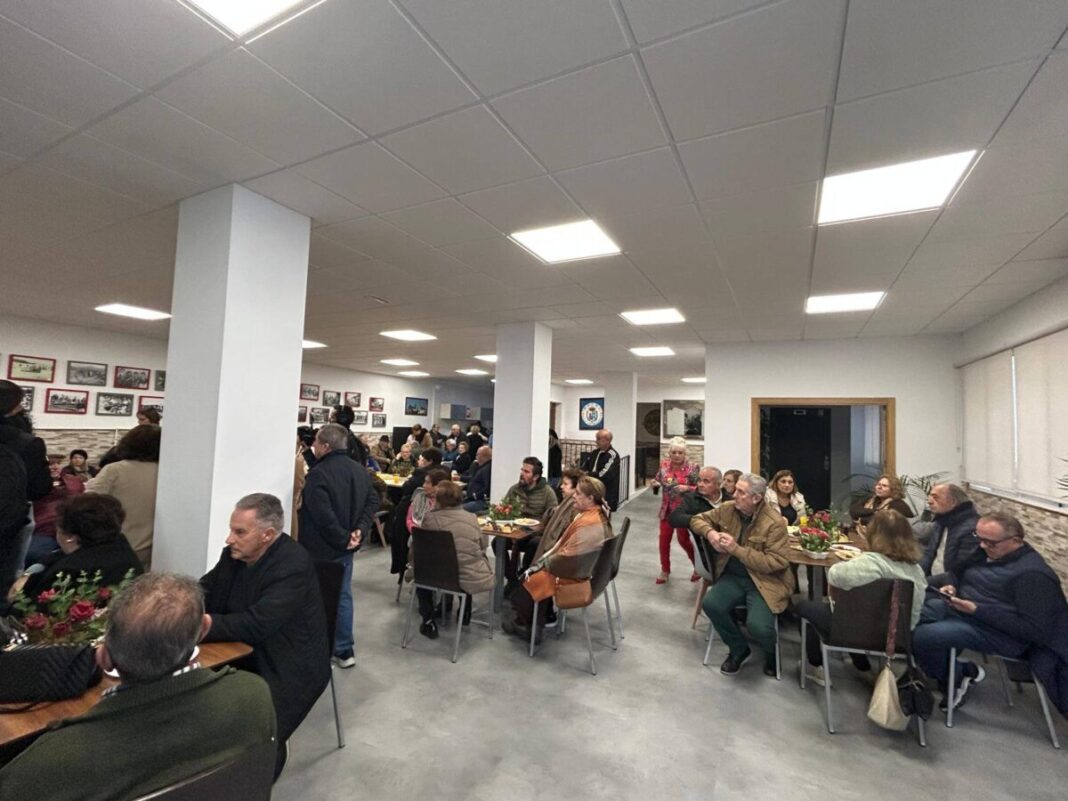

The inauguration of the renovated Casa de la Cultura in Manilva, a key space for the cultural and social life of the municipality, ends up at the centre of a political dispute between the various parties with institutional representation, shifting the focus away from what really matters: that from today Manilva has a necessary and long-awaited facility.
The Town Hall, the Partido Popular, the PSOE and, at the time, VOX have published statements and assessments on their respective social media accounts in which each party claims credit for its role in the project or questions the way it has been managed. This exchange of messages, far from highlighting the final result, is generating «political wrangling» around an infrastructure project that should be a matter of consensus.
The Town Hall has highlighted the inauguration ceremony and the improvements made to the building, which houses the Municipal Library and the Hogar del Pensionista (pensioners’ centre), stressing its functionality and its reopening for the benefit of residents.
The Partido Popular, for its part, has claimed credit for the planning, tendering and budget of the project during its time in government, providing a detailed timeline of the process and criticising the current municipal government for inaugurating a work that, it maintains, it did not promote.
The Socialist Municipal Group, on the other hand, has focused its message on the need to clarify the possible cost overruns and the lack of technical oversight during the works, insisting that it is not opposed to the infrastructure, but to the way public money has been managed and to the overruns on the initial budget: «a project worth €200,000 cannot end up costing €400,000» .
Added to this controversy is the role that VOX made public exactly one year ago, when it reported the unanimous approval by the Diputación Provincial de Málaga of this initiative, put forward by that party at the request of its councillor in Manilva, Antonio Marín, to promote the full refurbishment of the Casa de la Cultura. The proposal was based on technical reports warning of the building’s structural deterioration, safety problems and lack of accessibility, circumstances that had restricted its use and forced municipal activities to be relocated.
Thus, a project that has had technical reports, institutional agreements and political backing at various stages ends up today diluted in a struggle over the narrative and party-political gain. This situation is causing a sense of sadness among many residents, who see the reopening of a fundamental cultural and social space relegated to the background by the political confrontation that increasingly irritates everyone.
The Casa de la Cultura is, above all, a public facility at the service of Manilva. Its refurbishment should be understood as the result of a collective process and not as a political trophy. Perhaps the real outstanding challenge is not deciding who gets the medal, but ensuring that, in future projects, institutional cooperation prevails over confrontation, so that the progress of the municipality always comes before party labels.




